Magic or power systems are no doubt a crucial part of fantasy fiction. We’ve seen how strong power systems in anime, popular fantasy novels and movies make readers fall in love with the story and talk about it for years to come.
This is something you want to get right in your novel.
The problem many authors face is that a unique power system is not easy to create. There are several moving parts to put together, and the process can get overwhelming fast. Especially when you want your idea to feel fresh and make sense within your world.
This is where looking at successful examples comes in.
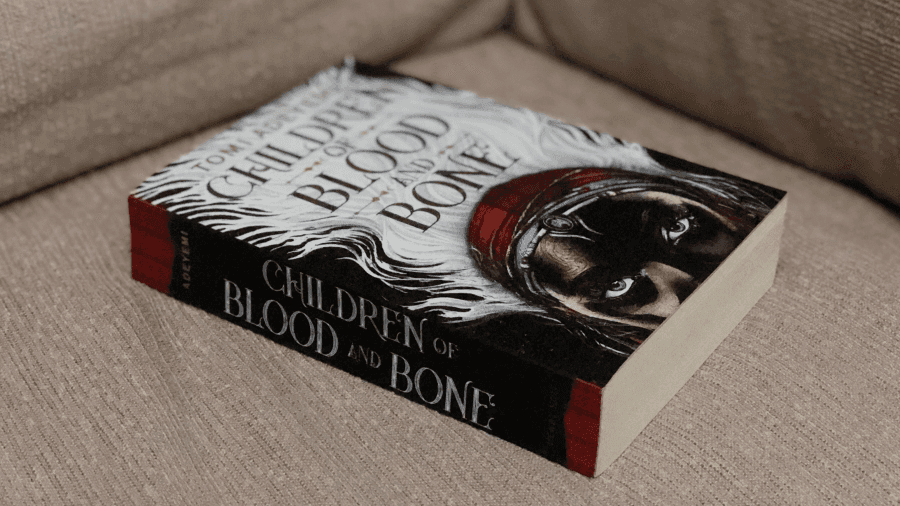
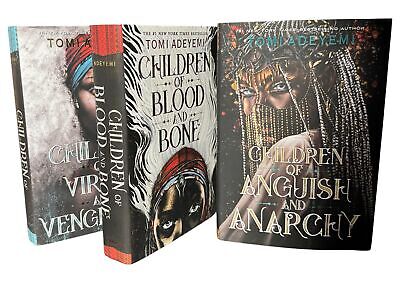
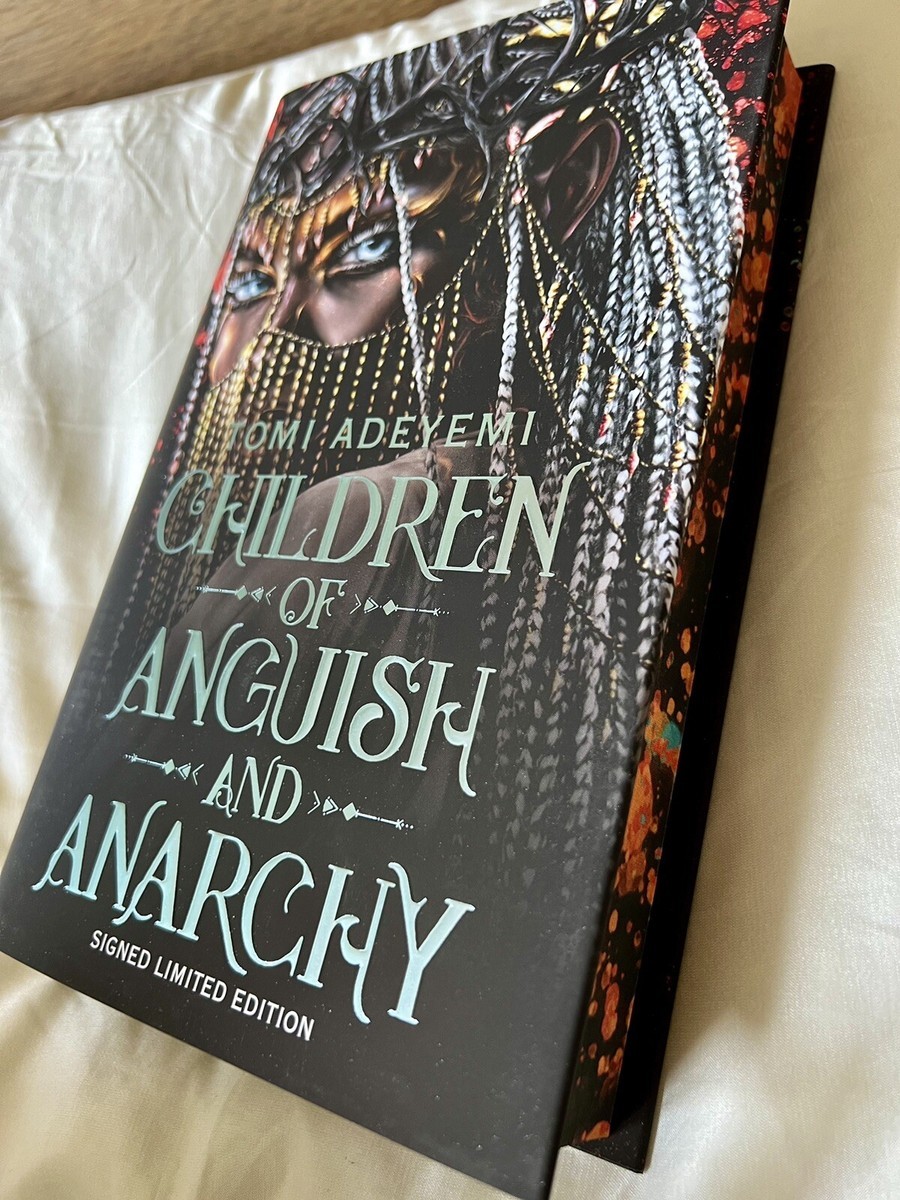
Tomi Adeyemi does it well in the Children of Blood and Bone trilogy. And using her novels as a case study, I’m going to show you how to create a solid power system of your own. It doesn’t matter whether you’ve read the novels; you’ll still be able to apply these foundational guidelines to develop an impressive power system.
Starting Point:
Decide the nature of the powers.
There are options like magical powers, physical, spiritual, elemental, and so on. In Children of Blood and Bone books, the author chooses magical powers.
How do you know what to choose? Look at your story, its world, its setting, and your vision for it. What will fit? What can you imagine your favorite character using? Once you have this down, move on to step 2.
Establish the source of the powers.
Notice that almost any information you get on how to create a power system starts here instead of step 1? Small details like this are what separate good power systems from meh ones. If you want to create a story that lives in the hearts and minds of your audience and is acknowledged as great work, you must pay attention to such details.
So now, the source of the powers. Where do these powers come from? In Children of Blood and Bone, the source was the gods revered in that world. The characters got their different powers from a specific god whose nature tied back to that power. And they were connected to these deities by their blood or lineage.
Keep in mind that everything you develop with your power system has to tie back to the world you’re creating. In Tomi Adeyemi’s work, her world is one where the people believe in certain gods.
She takes pieces from the Yoruba culture in Nigeria. So in this situation, it fits to make the deities the source of powers.
Flesh the details:
Manifestations of the powers
How do the powers show up? What abilities are there? What does it look like when they are being used or showcased?
This is the first step towards properly fleshing out your power system. Start with the abilities. Then move on to how they show up in a normal situation and in a fight.
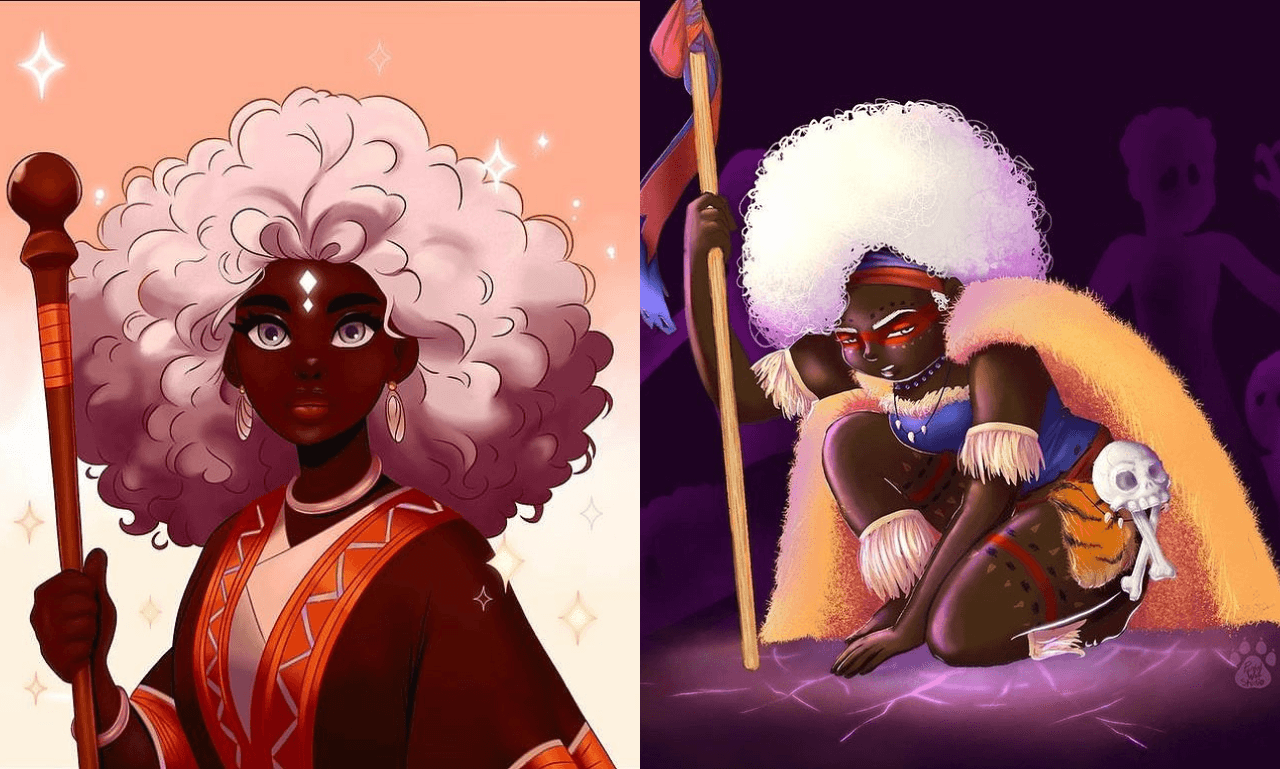
In Children of Blood and Bone books, abilities include using fire, controlling water, shadows of death, the power of the mind, and so on. We read that the powers could look like a swirling, vibrant blue light from a person’s hand. And in a fight, different powers could create different manifestations.
What would yours look like? To help, you can begin by figuring out who has what powers. Then use what you know about each character’s personality to determine how their abilities will manifest.
Limitations, rules, and capacity
In anime, we say a character is overpowered when we can’t see clear limitations for their abilities.
We also say a character has been nerfed when a character whose powers clearly had much potential and capacity is suddenly made to look weak.
These are issues.
To create a solid power system, establish these three things in step 4:
What limitations exist (meaning what the powers can or cannot do)
What rules exist (how the powers can and cannot be used)
What their capacity is (how big or how small can they grow).
Let’s take Zelie’s powers in the novel, for example. We saw she could control several shadows of death at once, and that if she got stronger, that number could increase.
But there were limitations to her and other characters’ powers, which is their physical strength. At some point, their body can’t do any more magic. This is an established limitation that makes the story believable.
There was also the rule that if Zelie used blood magic, she could unleash raw, stronger power, but at a cost.
Effects
What happens when someone is attacked or comes in contact with each power?
It’s crucial to develop this. For example, can your character’s water control powers drown someone in a water bubble? Or does the water hit like a punch?
Hierarchy
Blending your power system and your world also involves establishing a hierarchy. Are there people at the top who can use them better than others? Are there teachers, guides, and others involved at different levels of your entire power system?
In Tomi’s work, we read there are Diviners, Maji, Sentaro, and Elders. They all play different roles in the power system.
Naming
This part is a lot of bittersweet fun. And it is also one of the most important steps. Name everything. And ensure it blends with your worldbuilding.
Name each power, the expression of it, the source, and so on. The names have to make sense in that world. I loved this about the Children of Blood and Bone books. Tomi left no holes in her naming, and they were perfect fits for her world.
Finishing touch:
The logical reasoning
As you develop your power system, everything has to make sense in the way it all comes together.
That’s why this is your last step. Use it to plug holes and answer questions that might make your fictional world seem unbelievable or not memorable.
Question your development work:
If this happens, then what? When this happens, then what? Why is this here? What is its role?
Make it make sense within the concept of your world and for your audience.
I hope you enjoyed reading this and you found it insightful for your project. Share your thoughts or let me know!
Recommended to help you craft the best power system with ease
{The power system development guide product in store.}
Comments
{comment section should be last before footer. INTERNAL}