After writing your novel, comic, or script, the next step is to have it EDITED.
To edit your creative writing, you’ll need a professional editor. Someone who knows that editing a fiction story is more than backspacing grammatical errors.
But if you’re a sworn DIY-er or you’re a beginner editor, you’ll want to learn how to edit storywriting like a pro.
I wrote this article to show you how to do exactly that.
Typically, this is called self-editing.
I’ve seen several articles on the topic and noticed that most give you the fluff — read out loud, take a break, bend an arm, and so on.
Some of that is helpful, but it has nothing to do with professional editing.
I am going to share with you the 5-step method that I use as a creative writer for hire and professional editor.
Pre-editing stage
There are some preparatory steps to editing fiction writing. Similar to how a chef will familiarize himself with the ingredients and recipe for a dish before he starts cooking. In the pre-editing stage, take the time to know the following:
What the story or creative writing is about — if it’s not quite finished, be sure to understand where it’s heading.
The audience — this means the specific group of people the writer had in mind when writing the story. The audience could be kids, young adults, moms, people who love the fantasy genre, e.t.c.
What format the writing is supposed to be in — I’ve met clients who didn’t know the correct format to write their story in.
So you have someone who wants a kid’s picture story and has written it like an entire novel. Clarify what the work is supposed to be so you can immediately know if the format is wrong before editing starts.
After gathering this background information, you’re ready to start editing.
Below is my preferred technique with 5 steps, and it has been comprehensive enough to give my clients the best outcome.

5 Steps For Editing Fiction Writing Like a Pro
1. Proofread
There’s a reason the words proofreading and editing are sometimes found together. You can’t have one without the other. When we write, we make mistakes. Not because you failed English class, but because you’re a human pouring out your creative genius and spelling ‘it’ without an ‘i’ is just one of many errors your human self can make.
Proofread your work by reading every word and fixing spelling, grammar, and punctuation.
There’s no skimming in editing. Read every single word.
For extra polish, I also pass the work through a grammar checker after manually proofreading for about 2 rounds. I use apps like Grammarly and ProwritingAid (free versions work as well as the paid).
Side note: You should know that between you and a grammar checker, you’re the intelligent one. So definitely do not take every single suggestion it gives you without reasoning for the context of your storywriting.
2. Format
I mentioned that I’ve seen clients who think they’re writing a children’s picture story when they’re actually writing a novel.
This is called a formatting problem.
If you’re writing a novel, then the structure and form of that writing should be for a novel (Do the research if you’re a new author.)
When the writer gets this right, your job as an editor is to make sure they are consistent with it.
For example, while editing for a recent comic book project, I cleaned up the formatting to ensure the right number of panels and amount of dialogue per page. My client mixed it up a lot, and it had to be fixed in the editing stage.
Know what creative form of work you or your client is going for and help fix errors they’ve made within that structure.
3. Fix Character Development Mistakes
It is an editor’s job to ensure consistency with the elements of your story. This includes when it comes to characters.
Before I edit a story I didn’t write, I ask about the characters (Refer to point one of the things to know before you edit.)
What is each character’s role, personality, evolution, and so on throughout the story?
How does everything that happens to the character within the story affect them, and how does that fit with the context of your story?
It sounds complicated, but you’ll get used to it as you improve your editing skills.
Here is a loose example -
On a comic book project, the author had both white and black male characters. Through the script, you could tell who was black and who was white by the way they spoke. And at some point, I noticed a switch in one of the characters. This was a consistency mistake.
In the same work, one character was gay and at some point in the story switched to straight without any explanation…another inconsistency I caught, and we fixed it.
Maintaining consistent character development can be tricky for new writers.
What happens is, they have a vision in their mind that they’re not quite able to flesh out properly.
Like with the change in sexual orientation, my client actually wanted the character to depict someone who hated his sexuality and tried to be someone else. But it didn’t come across that way until we corrected it.
4. Double Down on Flow
You’re reading a novel, and you notice the writing has gone off track. The order of events has changed out of nowhere, and the writer is opening different loops without closing.
The writing lacks flow.
Whether you’re writing an article, manga, storybook, novel, or whatever, flow is critical. Flow is what makes you a good storyteller and differentiates the best work from sloppy work.
New and even experienced authors get it wrong sometimes, but a professional editor can spot and fix it before the whole world sees it.
To fix flow, it’s helpful to;
read out loud,
read with your inner voice and don’t miss a single word,
and finally read while visualizing.
Do each one.
When you’ve finished all the steps, go back and do it all again after taking a few days away from the keyboard.
5. Ensure Plot Consistency
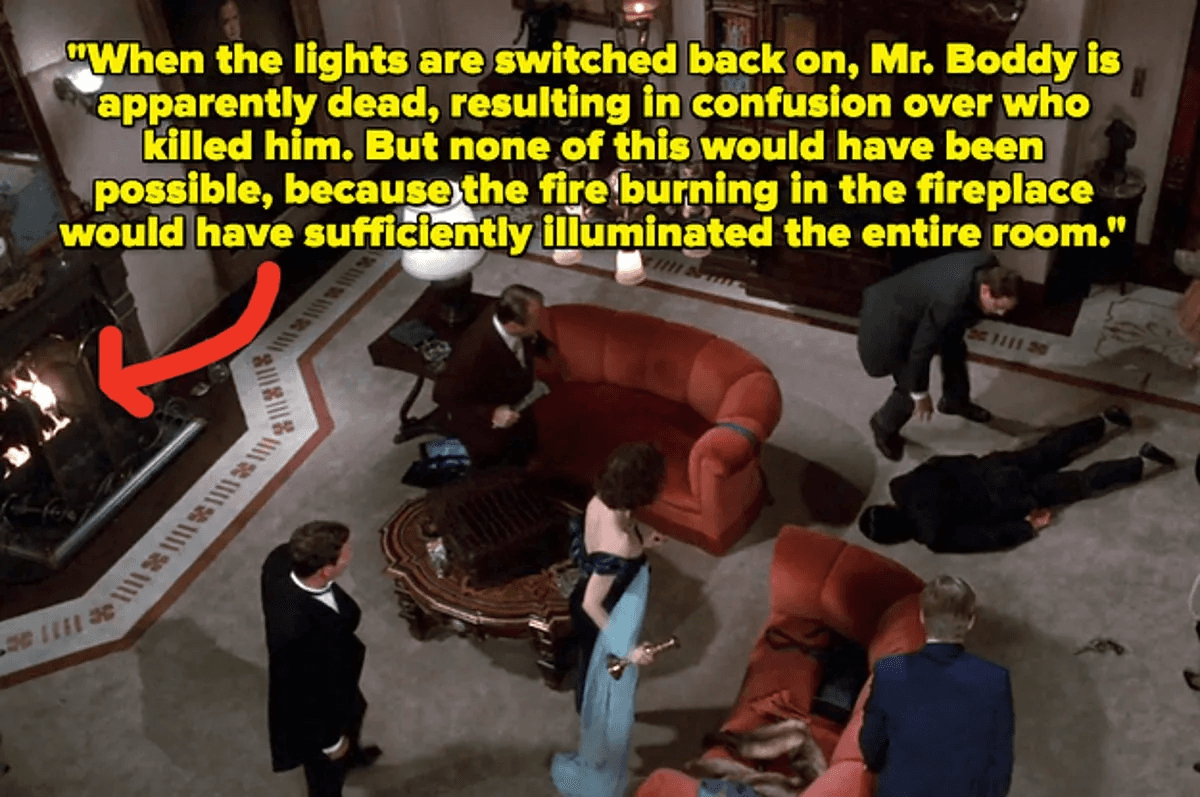
What is the number one thing that defines a bad movie for you? For me, it’s an inconsistent plot — the things we call plot holes.
Some examples of plot holes include changing the rules in your world mid-story, scenes that don’t correlate with earlier stated facts, and so on.
Plot holes can be blamed on poor editing.
So whether you’re self-editing your writing or you are a budding editor doing it for someone, keep both eyes out for plot inconsistencies.
I usually prefer to finish all other editing steps before checking for plot holes. If I notice any plot holes while proofreading or something, I highlight them to come back after.
Wrapping up…
There is such a thing as over-editing. You could overdo it and mess with the originality and special sauce of the work. Hence, know when to stop.
Remember, perfection is a myth, but with professional editing, you can get really close.
Join me in the Trenches Of Creation (TOC) Newsletter.
If you enjoyed reading this blog post and learned a thing or two, you will absolutely love reading the Trenches Of Creation (TOC) newsletter. I share more breakdowns of real methods I use on client projects, practical tips to sharpen your plot, characters, worldbuilding, power systems, and fresh dissections of the latest and best fantasy fiction stories (anime, novels, films, and shows)you can learn from.
Lands in your inbox every Thursday. Subscribe here to get it.
Work With Me
Let’s craft beautiful fiction with deep themes, rich character development, satisfying plots, awe-striking fantastical worlds, wildly creative power systems, and relatable human experiences.
I offer story development services to help you with:
Worldbuilding
Power system development
Character development
Plot Development & Outlining:
And fantasy fiction writing for your novel, manga, comic, creative project, film, or children’s books.
GET STARTED HERE {link to service page}
Comments
{comment section should be last before footer. INTERNAL}