Blog Post
Dec 4, 2025
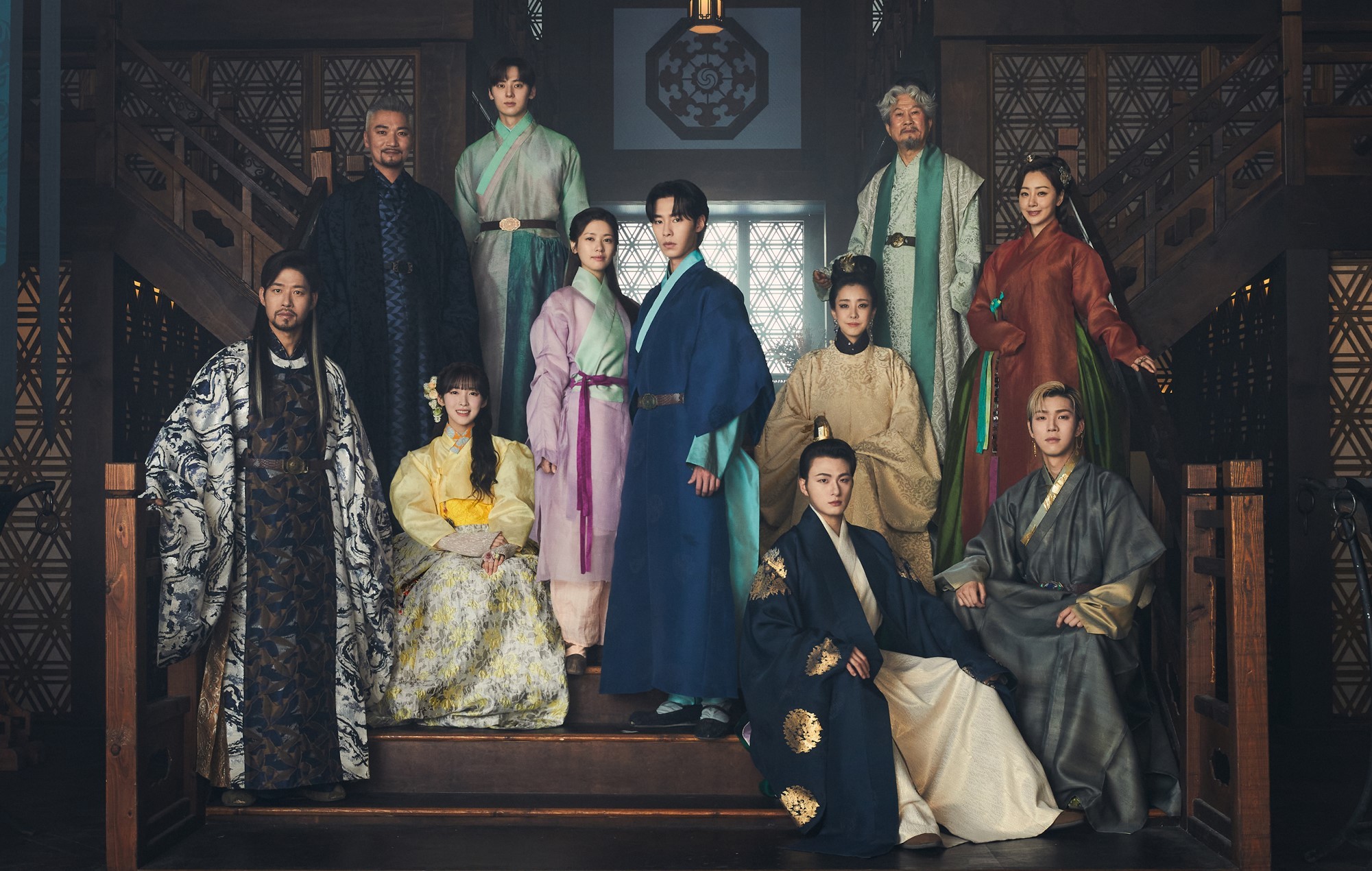
If there’s anything K-dramas are good at, it’s storytelling that hooks you from the jump and holds your attention until finally you get a satisfying end to a captivating plot.
One of the recent highly-rated k-dramas is Alchemy of Souls, a two-season series that I have watched twice now since it aired.
Its success is not a stroke of luck or undeserved in any way. As a fantasy fiction specialist, I can’t help but spotlight all the things done right to make this story a best seller.
Hence today you’ll learn the inner workings of writing a best seller novel, film, manga, or story. I’ll be using Alchemy of Souls, as our case study.
The plot of Alchemy of Souls
Needless to say…spoilers ahead
The story is set in the historical town of Daeho. It follows the life of a deadly assassin, Naksu, who has been trained and employed since childhood by a secret organization. She works with them with the goal of taking revenge on those who murdered her family.
True to the title, Alchemy of Souls refers to a forbidden sorcery practiced by the mages of this organization. The sorcery enables them to switch souls between two persons using a special stone.
Naksu ends up shifting her soul (they use the word shift in the show) when she is injured on one of her missions. But the body she got was the body of a blind and weak girl called Mu-deok.
In Daeho there are four families recognized for their power and wealth. Each of them has an heir around Naksu’s age who became the focus of the show as well.
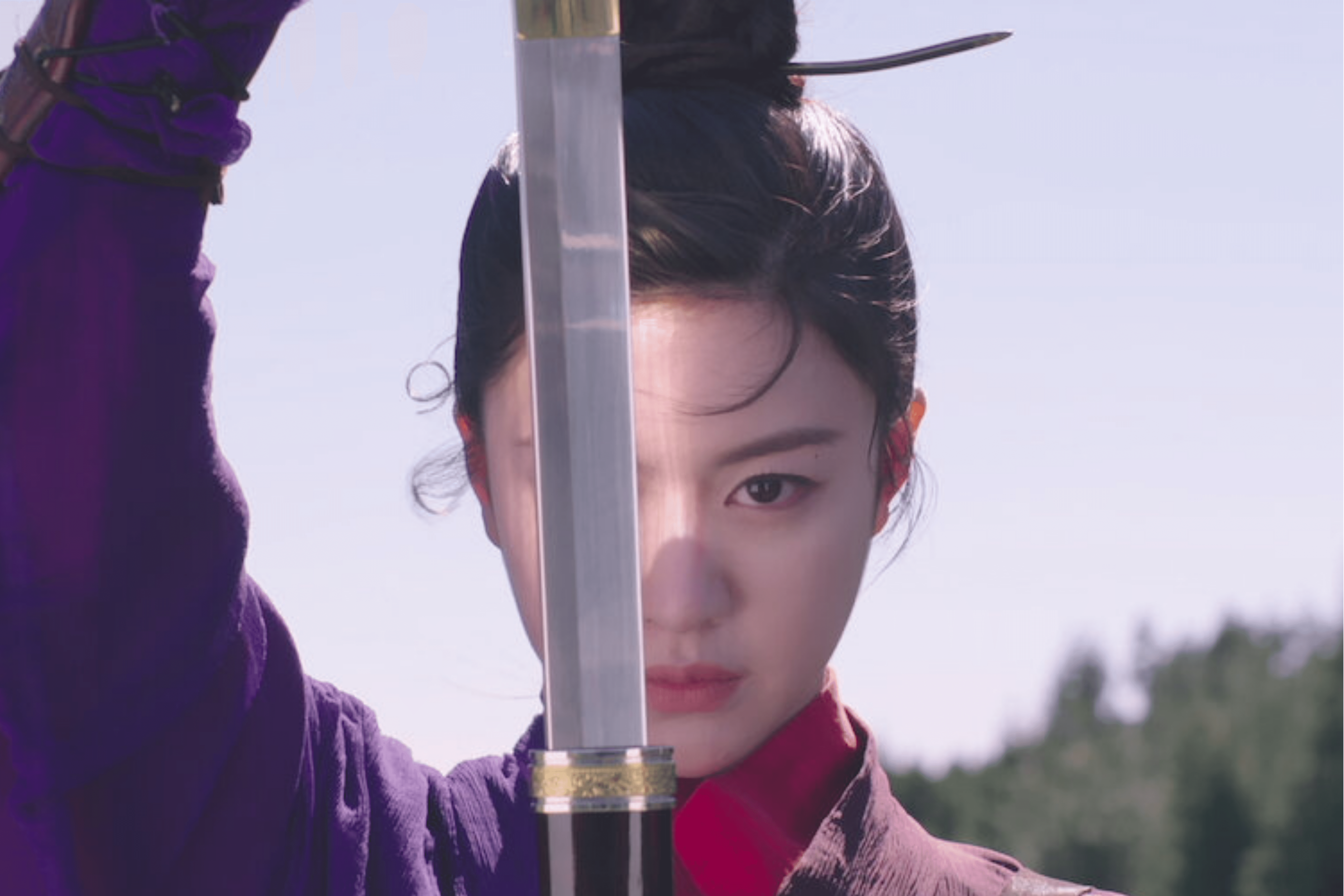
Naksu meets one of the heirs, Jung Uk by accident while escaping capture. Jung Uk who has been seeking a reliable master to help him unlock his skills as a mage noticed the mark of a soul shifter in her eyes. Jung Uk is sure she is Naksu, the assassin being hunted. He then helps her hide and later convinces her to be his master.
Their arrangement was that he would keep her secret until she regained her power as Naksu or he became strong enough as a mage, to help her unlock it. Along the line they fall in love.
Fast forward to the end of Alchemy of Souls season one, a few days to their wedding, Mu-doek runs wild — a side effect of soul shifting. She attacks everyone, killing Jung Uk and some others.
She was later caught, and thrown into a river used to bury dead soul shifters.
But before our tears dried, Jung Uk came back to life thanks to a powerful artifact, the ice stone. It was the very power that the secret organization wanted, and that started the whole mess of soul shifting in the first place.
Three years later, Jung Uk is now the town’s designated soul shifter killer. It is both punishment for hiding Naksu, and his duty as the carrier of the ice stone.
He wished for someone powerful enough to take the ice stone out of him so he could die.
He later meets Bu-Yeon, the lost and found first daughter of one of the four powerful families in Daeho. She is locked up in her own home and he helps her escape. He promises to help her stay out of her cage forever if she can use her power to remove his ice stone.
The plot twist is, Bu-yeon is actually Naksu AND the blind girl’s souls in one body. In the end all secrets were revealed and the couple fought their greatest enemies together — alongside their friends.
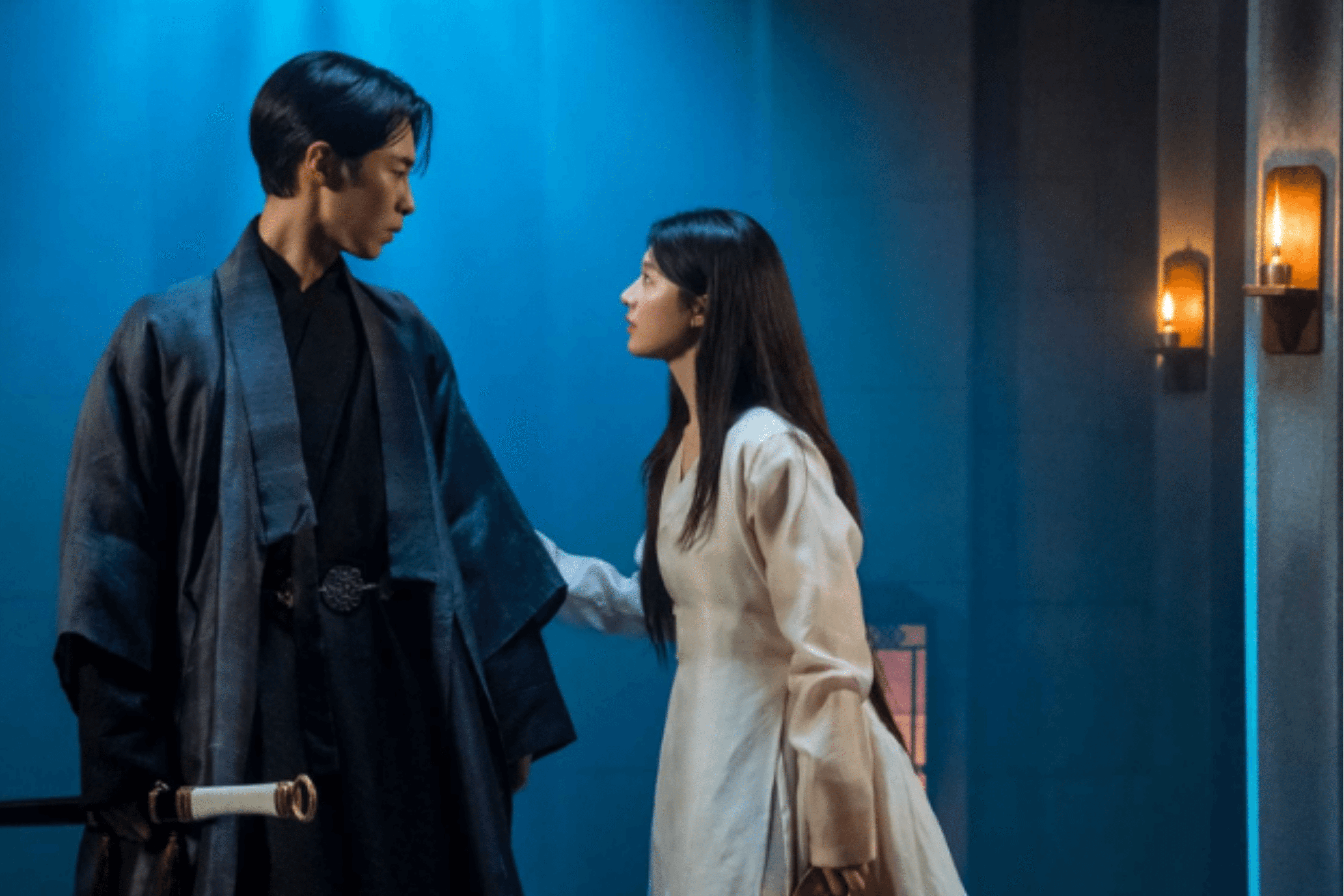
The bestselling story writing tips you can take away
# How to Plot a bestseller
With most k-dramas you can expect well-developed plots. They’ve mastered the gift of telling a story from start to finish in a way that captures your heart and mind.
There are many subplots in the show and each one was fully developed and concluded to by the ultimate climax at the end of each season.
The lesson here is — Never run with a half-baked plot.
If you want to create a captivating story, develop the heck out of your plot and subplots. Don’t shy away from creating sub-stories. And don’t forget even tiniest details or leave any matters unresolved.
# How to nail character development
You know you did a good job with your character development when your audience falls in love with them.
Becoming invested in a character keeps people stuck on your story. They want to see what happens next, and how it ends. So, your characters must be fully developed.
But what does it mean when people say a ‘fully-developed character’?
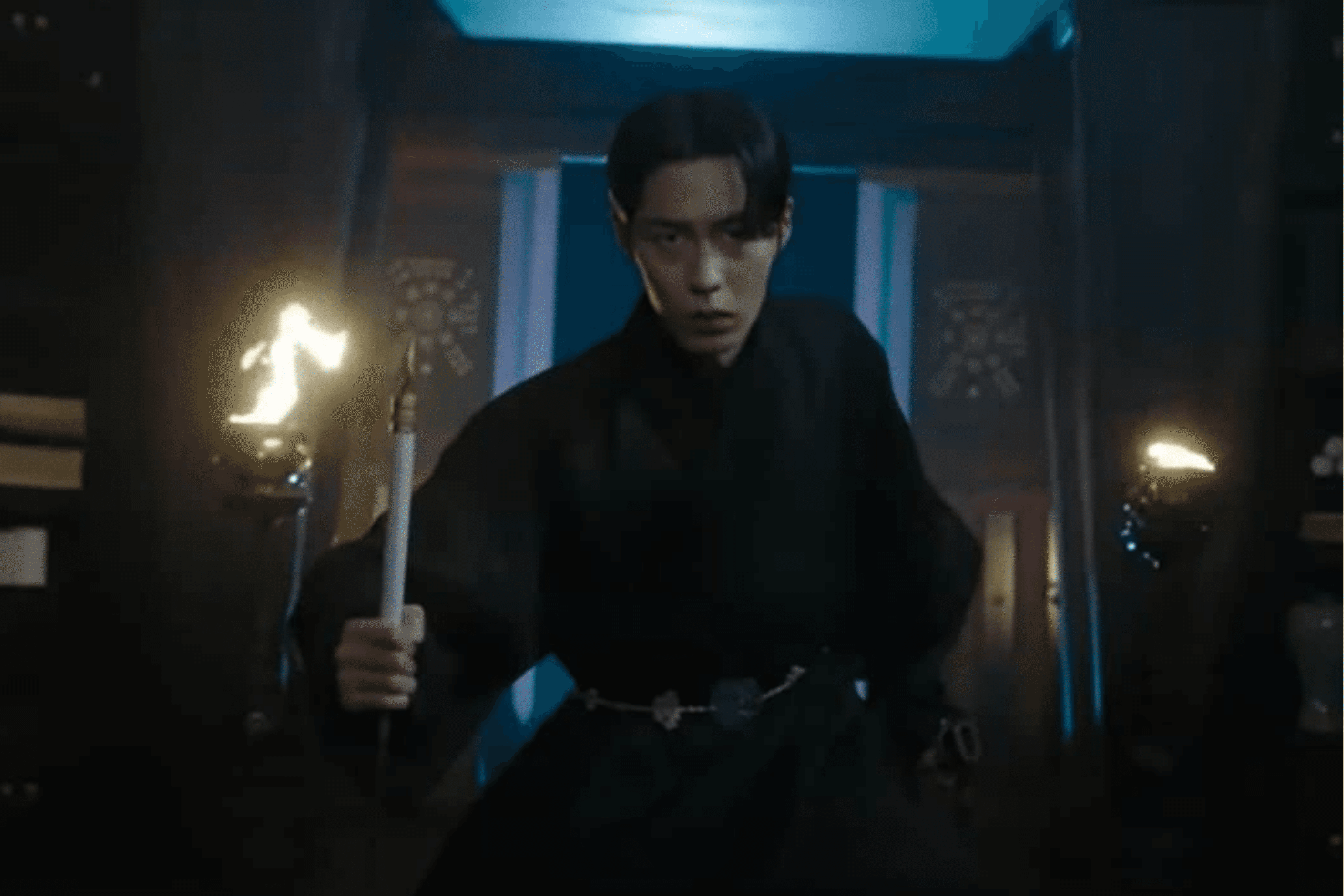
Let’s take the main character Jung Uk for example. The first piece of good development you notice is how much he evolved.
From an heir who couldn’t get a master or use magic; to the boy who did, to developing his skills where we see his dedication and resolve, then to opening his heart to love, always fighting to protect those he cared about, and finally to becoming the most powerful man in Daeho.
The audience literally lived this character’s life with him.
Growth is relatable because it is what happens in real life. (Characters that grow in their story become memorable. Think characters like Naruto, Clark Kent in Smallville, etc)
But while infusing real character growth to your story, be sure to avoid rushing things. If you rush and skip the meaningful parts, you’ll open a hole that can break your audience’s connection.
The second piece is ensuring your character stays true to their nature. Jung Uk maintained the nature of his character while evolving, even with newfound power.
Through his difficult time of learning, falling in love, dying and resurrecting, and everything else in between, there was consistency in the core of his personality.
This much attention to detail is needed to create characters that can carry a best selling fiction story.
# How to write the story or script
This was so well done. I hear it’s the same writers we have to thank for some other popular k-dramas of 2022.
One big tip is to think of your story as the characters going on a journey through your plot. Take them from one destination to the other. How you do it is; start by outlining all the arcs and ask yourself how does each one progress the story?
Don’t force plot lines that won’t work. And be thorough in fleshing out those that will. Pace to perfection. Pacing was very well done with this series. At no point did the audience feel some parts were dragging on too long or moved too fast.
Cover these bases in your story writing and you’ll have your bestselling story.
It’s not about the story you tell but how you tell it. One can recycle the same old tale, but telling it in a different way can make it freshly captivating.
# How to ensure perfect worldbuilding
Historical dramas have a strong, natural appeal. Thanks to this, the show already scored points for setting up the story in a historical world.
The rest of the world-building was as good as perfect. The biggest lesson here that makes bestselling fiction is - the story introduced us to how the world worked from the start. The rules, elements, stakes, e.t.c were clearly presented from the beginning.
But this is something you can do only if you’ve done the crucial work of fully fleshing out the details of your world. If your worldbuilding is thorough, it becomes easy to introduce it quickly to your audience.
Another lesson is the power of naming. I repeat this tip often anytime I talk about worldbuilding: name everything.
In Alchemy of Souls series, the sorcery itself was termed ‘Alchemy of souls’. The writers could have left it to be described as switching souls or something. But they knew one of the keys to creating a memorable world is to name everything.
They also used the term ‘shifting’ to describe when a soul was switched. A person who had shifted souls was called a ‘soul shifter’. If the soul couldn’t get human energy to stay in its new body, the person would become a monster and go on a rampage described as, ‘running wild’. A person who could do magic and trained in it was called a ‘mage’. All artifacts and objects were equally named.
If you’ve seen Alchemy of Souls, what do you think about it? Any extra lessons or questions that come to mind as regards creating your own stories?
Recommended tools to help craft your best seller story better.
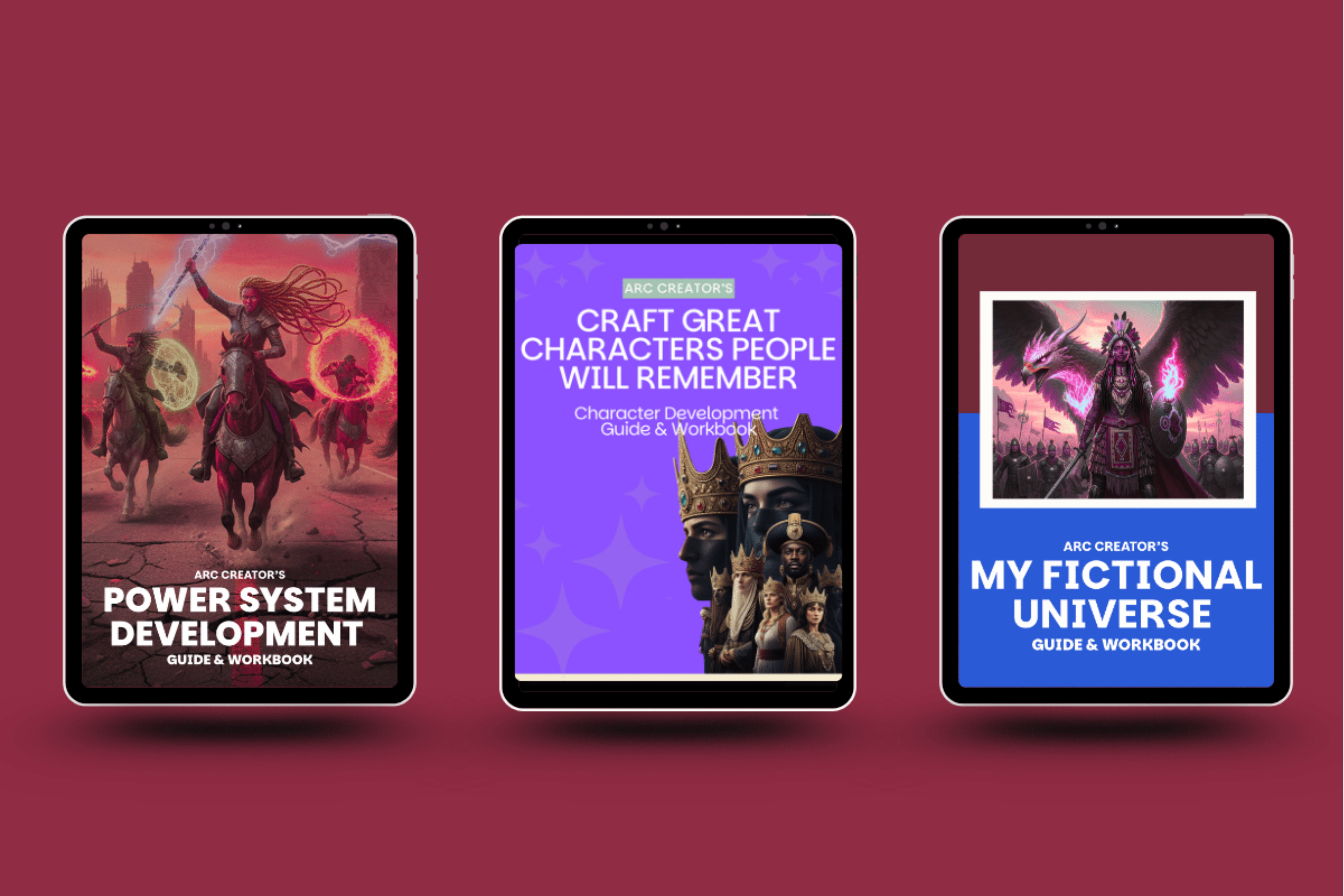
Visit the store.

Join the citizens of TOC
Subscribe to Trenches of Creation (TOC) newsletter
Lands in your inbox every Thursday with insights on worldbuilding, power systems, storytelling and more, to turn your ideas into legendary stories.
By subscribing you agree to our Privacy Policy
Comments
I want to hear from you