Blog Post
Mar 1, 2026
If you’re an aspiring author, or your next project is a story set in a fictional world of fantastical things, you’re already thinking about worldbuilding.
What makes a fictional world feel real?
What is the secret and method behind worldbuilding in stories like The Lord of the Rings, Harry Potter, Naruto, and now Children of Blood and Bone?
You would like to know and I would like to tell you.
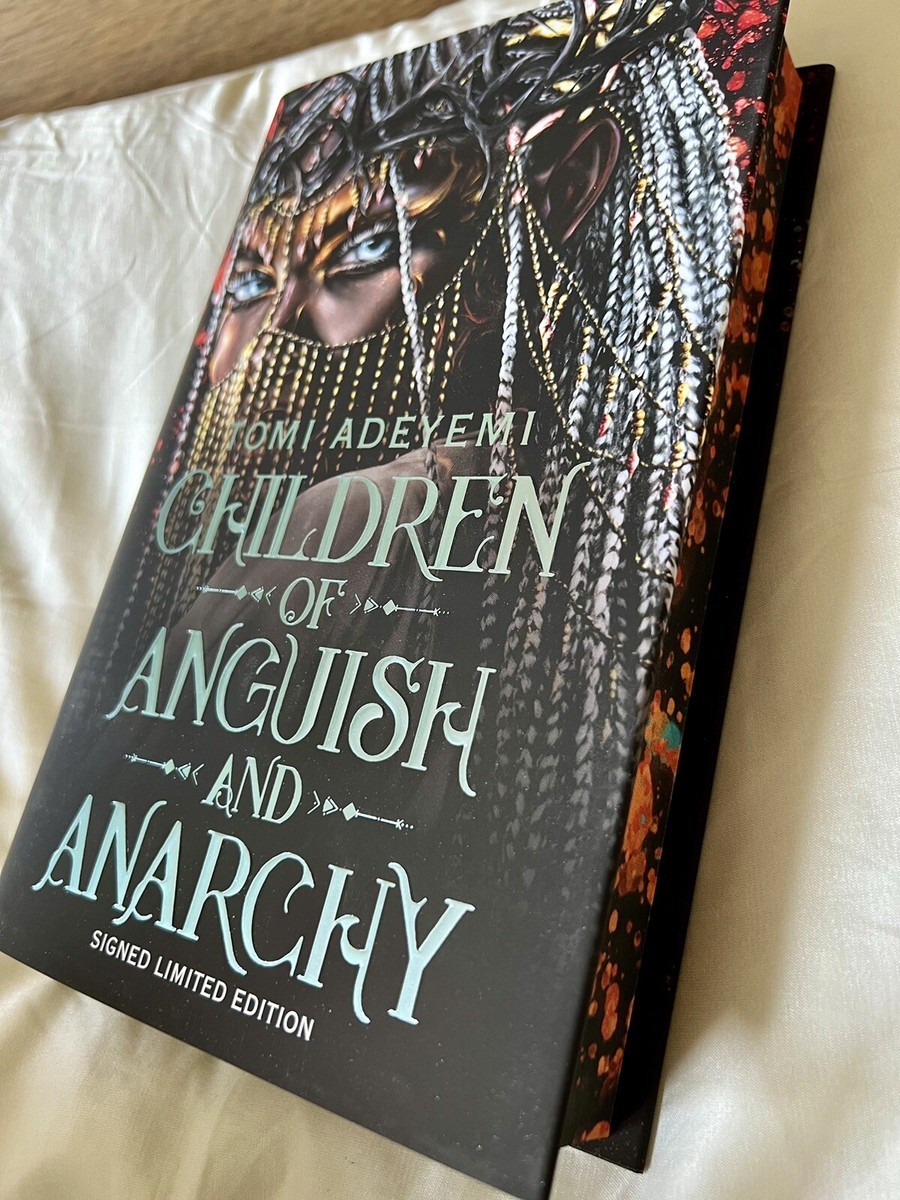
I recently read Tomi Adeyemi’s trilogy and two things stood out to me for how well they were done – the worldbuilding and power system.
Today we will explore 5 must-haves for great worldbuilding drawn from the book. For my deep dive on its power system method, see this post here.
Clear culture
You heard this in high school, that culture is the shared values, beliefs, and practices of a group of people. One of the most important elements for making a world feel real is a clear culture.
You have to develop a belief system that everyone in your fictional world lives by. This belief system helps you shape their values and practices.
In Children of Blood and Bone, Tomi Adeyemi uses the most effective method for developing a clear culture for your fictional world. Can you guess?
The method is drawing inspiration from the real world.
Children of Blood and Bone establishes a culture based on the real-life culture of the Yoruba people of Nigeria. It’s like taking a piece of paper and cutting out a shape using a template.
Many authors and creators tend to get caught up in thinking your world has to be something new and unheard of. But some of the best worldbuilding we've seen out there often take clear inspiration from what already exists.
Try this method and you’ll be able to craft a clear culture for your fantasy work faster and more effectively.
History
Your world will look fake if you write it to exist in a vacuum without any roots, history, changes, origin, or basis. History is another must-have for good worldbuilding.
The purpose of history is to answer the question ‘How did we get here?’
How did your world arrive at this point from which you are now telling us a story?
And one thing you can learn from how it’s done in Children of Blood and Bone is to make it rich.
Really fully describe the details. Get creative, go wide.
Help your reader or viewer clearly see the context. Answer, where did it all begin? Where did it all go wrong? and how did all of that influence what’s happening now?
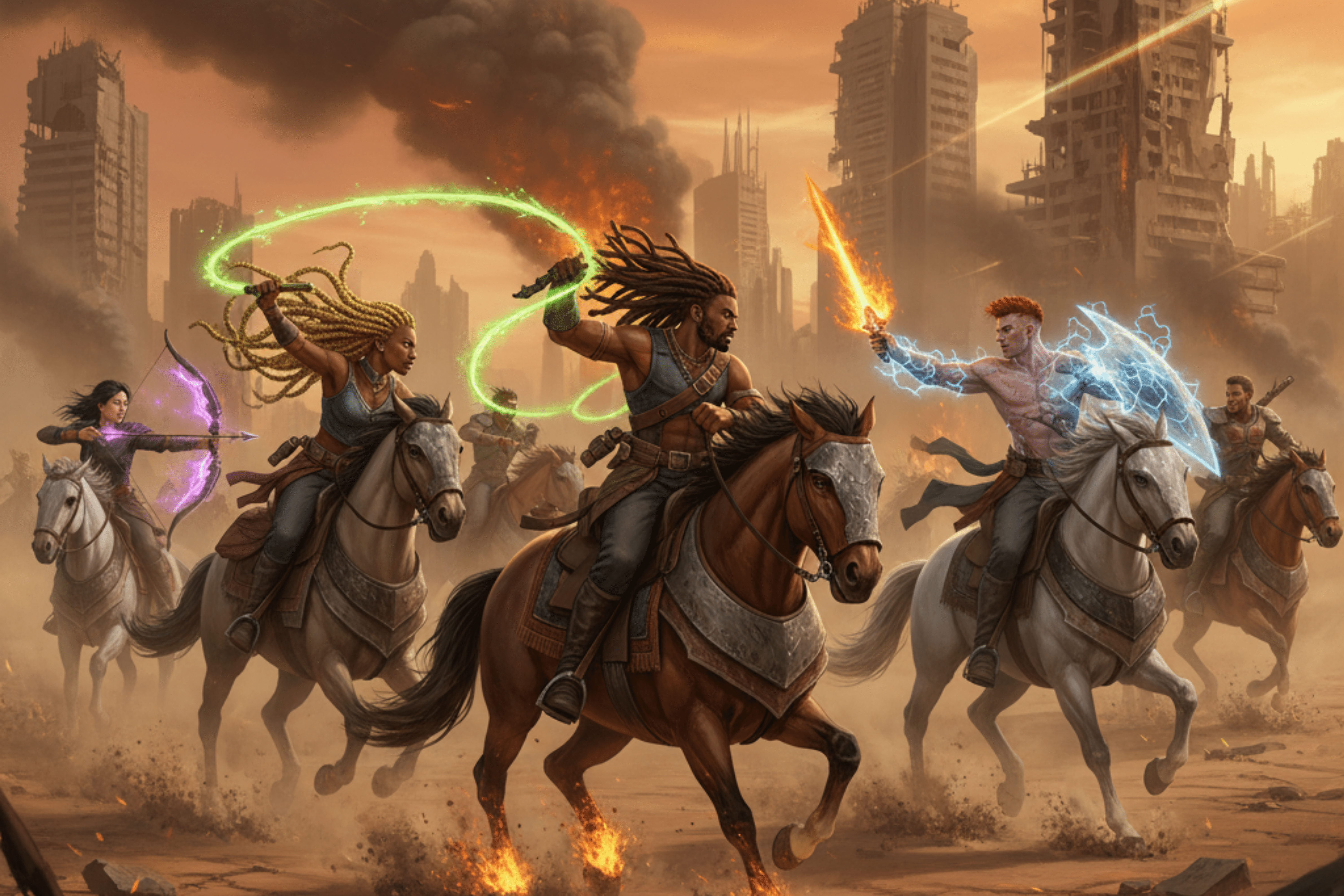
In Children of Blood and Bone, their history starts hundreds of years ago with the gods who created their world and shared their powers with the maji — this was where it began. When King Saran began killing the maji, destroying their magic, and introducing oppression and enslaving of their kind– this was where it went wrong. And it all brought us to the story of the mc Zelie, who was trying to bring magic back.
Leave nothing to be assumed when developing the history of your fictional world. And remember the timelines matter just as much.
A fictional world feels real when your audience can understand it. From understanding it they can picture themselves living there. What’s more real than that?
Social structure
Power dynamics, social standing, government, caste, class, any real world has all of this. Whether or not your story is going to show the government system, your audience has to have a clear idea of what the social structure is.
Do you have a king or a prime minister? What are the class structures- poor, rich, royal, non-royal, powered, non-powered – what is it for your story?
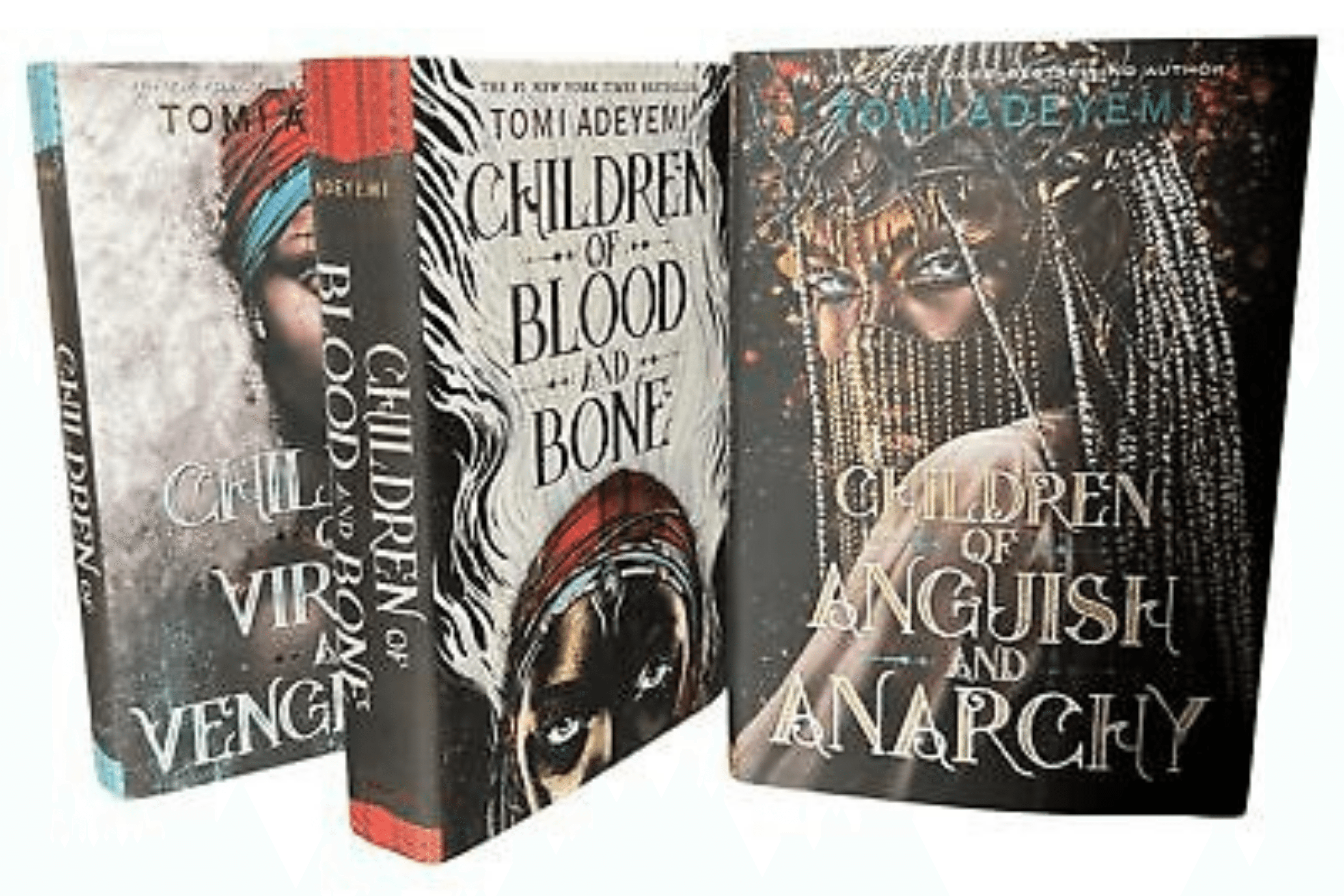
In Tomi Adeyemi’s novels the social structure is clear and thorough.
We see what the government system is. This World has King Saran at the top. All royals are called kosidan and they do not possess magic.
They are the highest standing in the society. Diviners are commoners who possess magic. Maji are diviners whose magic has been awoken. Diviners and maji are low in social standing with maji being enslaved and oppressed.
Build your social structure thoroughly for a fictional world that can be praised for its worldbuilding.
Again Children of Blood and Bone uses an effective method to form the base for its social structure. The author draws from real life and the social issues she wants to represent.
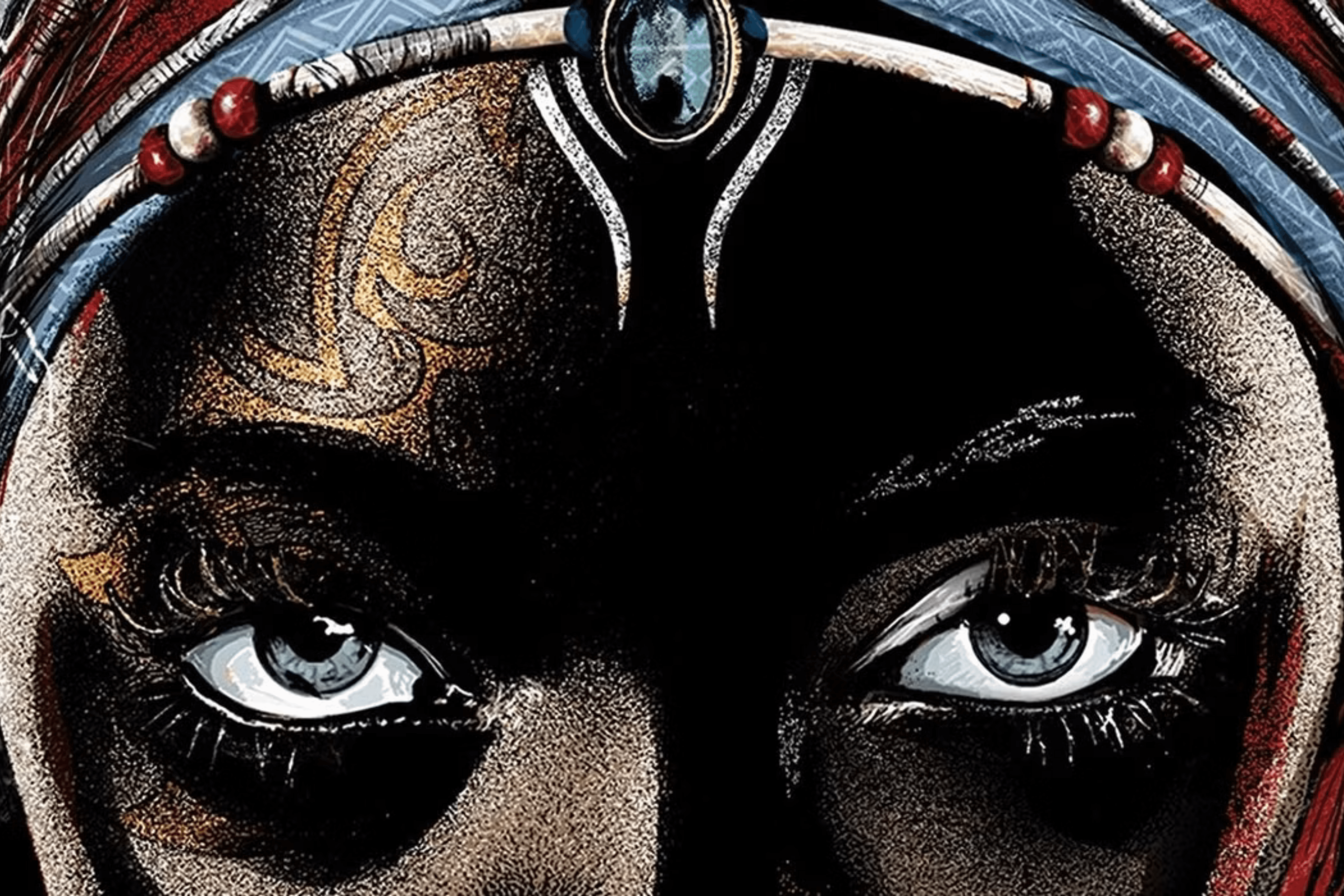
Great worldbuilding makes a world relatable.
Geography
Even if your story is set in space, you cannot miss this step. Think about it; the geography of your fictional world plays a big role in where your characters go, the obstacles they face, where they come from, and much more.
It is what brings all the elements together and makes your worldbuilding consistent. It requires careful plotting and crafting.
If you want to avoid letting this keep you stuck, borrow this tip from our novel of the day again.
Craft your geography from a real-life template.
Children of Blood and Bone uses real states and locations in Nigeria. This blends perfectly with the characters, their origin, and the culture of the Yoruba tribe used in the story.
It’s also helpful to sketch an actual map or pictures that help you see what you envision this physical world to look like.
When I’m on this part for my clients, I like to send AI or real-life images of the vision we are working with. This includes everything from landscape to housing, animals, climate, and everything as it applies.
The truth is worldbuilding is fun. It seems hard because you’re worrying about the finished work. Forget that. Have fun fleshing things, stretching your imagination, and creating what you want. The only rules are to help us understand.
Everything has its place and name.
I loved how this tip for great worldbuilding was used in the novels. In the real world, doesn’t everything have its place and a name? So why not in your story?
This part is sooooo important. Name every single thing.
Identify and establish their place. Do you have clans? Name your clans and state their role in your story. What about fictional animals, transportation, equipment, a movement, a cult, nicknames, an activity….leave nothing unnamed or out of place.
The truth is your audience will only remember the named things, places, and people that matter to them individually. And for those they don’t remember, knowing they exist is a huge part of creating a believable and immersive world where things fit together logically.
Get my step by step guide and workbook to help you craft the universe of your dreams. If you need help with power systems and developing characters your audience won't forget in a hurry, get the other guides in the store.
Join the citizens of TOC
Subscribe to Trenches of Creation (TOC) newsletter
Lands in your inbox every Thursday with insights on worldbuilding, power systems, storytelling and more, to turn your ideas into legendary stories.
By subscribing you agree to our Privacy Policy
Comments
I want to hear from you