Blog Post
Apr 23, 2026

Last Wednesday, my friend and I stared down the endless options on Netflix. We couldn’t decide what to watch together. As we scrolled past the series 'Beauty in Black,' my friend asked if I had seen it.
I replied that I actively avoid Tyler Perry films, since Acrimony (cause I believe we are long overdue for moving past stories that center on black pain).
Then she said the series wasn’t bad to watch, but that ‘it's just entertainment, with no takeaway’.
She encouraged me to watch it when bored, but I knew after that statement, I might never.
I don’t watch movies I won’t like. And the movies I like are never just entertainment. They are beautifully woven storytelling, with authentic characters, meaningful themes, and intelligently crafted plots. Anything less can’t hold my attention.
Maybe it's the result of watching anime and reading hundreds of novels since I was a child. I believe we should use 100% of our brains in creating stories. We should give our audience a real treat. Not some mind-numbing stuff. But stories and characters that challenge the mind, stir hearts, leave us awed and changed, and stay with you for years to come.
No one automatically knows how to create great fiction like this. But I can tell you for a fact - the greats learn from the greats.
If you want to learn how to write or create better fantasy fiction. Then study the impeccable fantasy fictions before you.
One such awesome work is the series Invincible.
I’ve just finished Episode 7 of Season 4. This show doesn’t have a near-perfect IMDb score for nothing.
In this article, I’ll point out some of the key factors that make this fantasy, sci-fi drama one of the best works of fiction of its time. These important tips can guide you to create better fantasy fiction for your novel, manga, comic, or film.
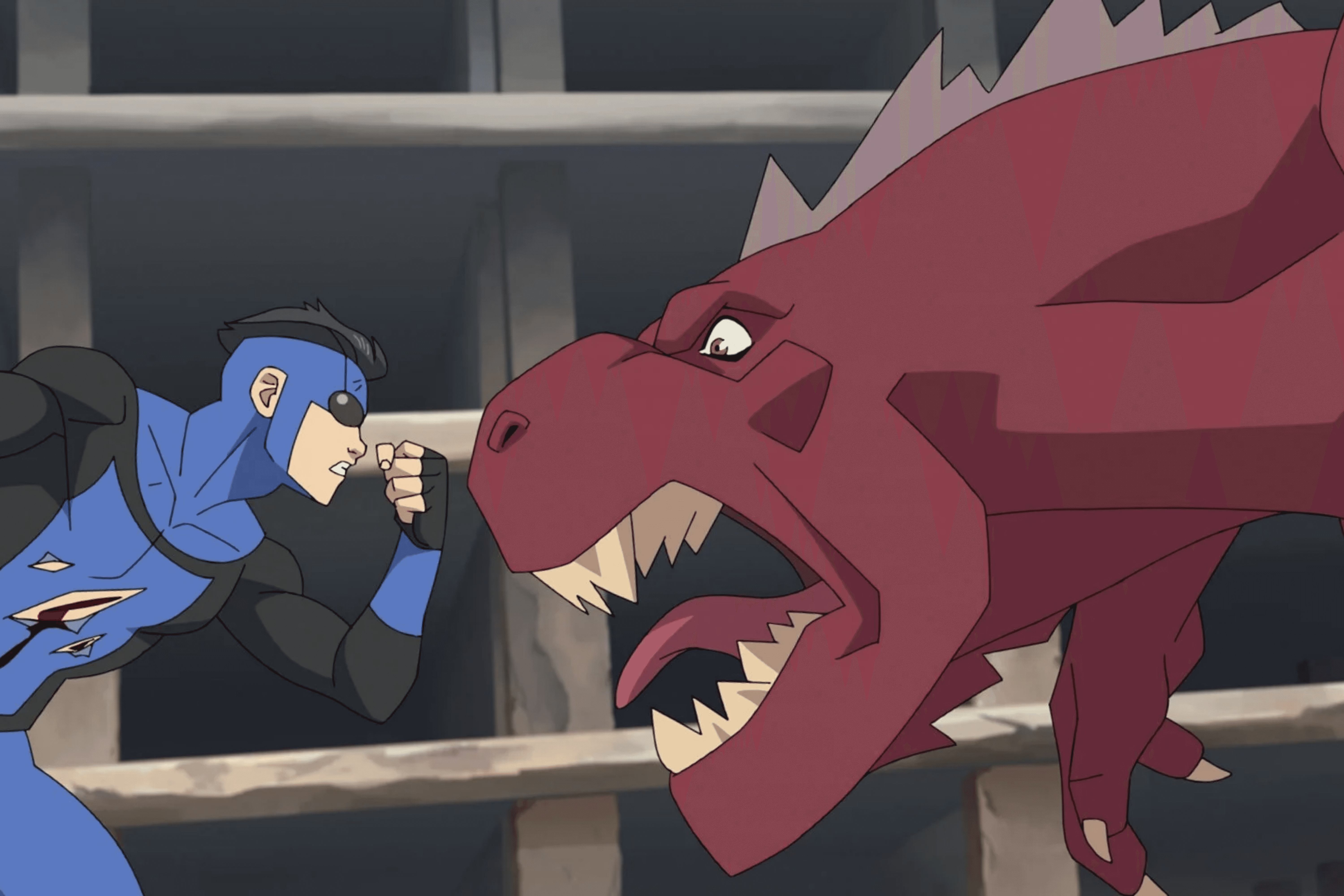
Fully fleshed subplots
Great fantasy fiction often leaves nothing to be desired. The plots are always built deep, rich, and well-rounded, but Invincible really takes it a notch higher.
You’ll notice how the story is told in such a way that all characters appear for a reason. And they each get their story FULLY told. There is no situation where the audience is left to assume or wonder what happened to a character.
They naturally leave the story when their part is done in a way that makes complete sense.
Here’s an example: the character Angstrom Levy.
Angstrom does not enter the story as a random villain. He’s introduced with a clear function, a distinct motivation, and a premise that fits the world of Invincible. He begins as a man trying to use his dimension-hopping ability and the knowledge of his alternate selves to solve problems on a massive scale. He is not evil for the sake of being evil.
But when that plan goes wrong, the exact traits that defined him at the start—his intellect, his obsession with control, and his belief in his own grand solution—twist naturally into vengeance. His actions stay rooted in who he is. Even when he spirals, it never feels like his actions are just to move the plot forward. He feels like a character following his damaged logic to its inevitable end.
And his ending in the story makes complete sense. It is the payoff of a tragic chain reaction: a man who wanted access to infinite perspectives becomes consumed by them, then builds his entire identity around blaming one person for his ruin.
So when his arc ends in apparent defeat after pushing Mark and Mark’s family to the brink, it feels complete because the story has fully spent the emotional and thematic premise it planted when he arrived.
Another example is the Flaxans.
The Flaxans are one of the clearest examples of Invincible refusing to leave a thread half-developed. They are introduced early as interdimensional invaders, but the show does not treat them like throwaway monsters-of-the-week.
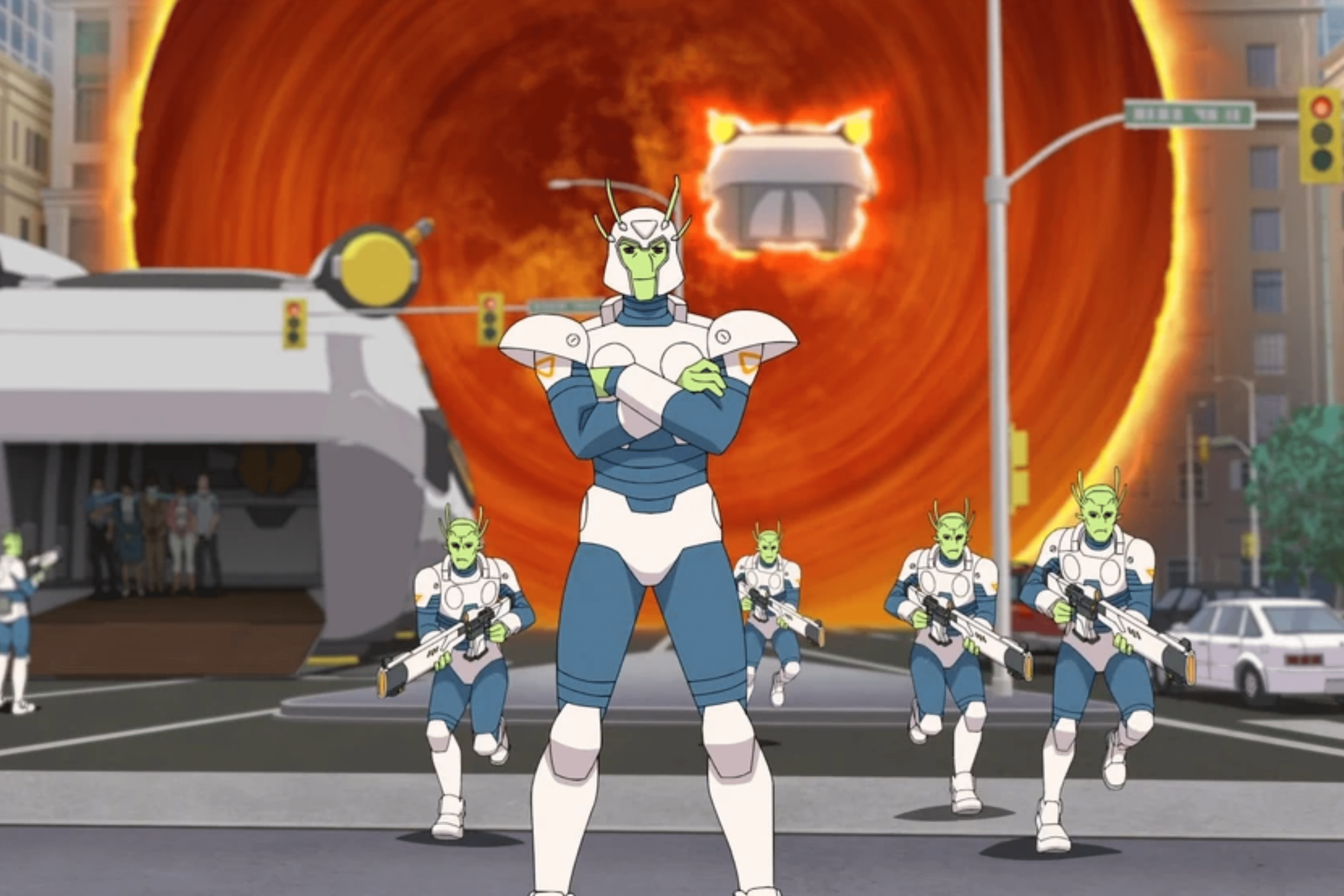
Their premise is specific: they come from a dimension where time moves differently, which immediately gives their conflict with Earth a memorable logic and allows the writers to keep building on them later.
After their early invasions fail, the consequences do not just vanish. Their world keeps moving. They regroup, rebuild, and return with new adaptations, a new strategy, and a stronger reason to hate Earth. That progression makes them feel like an actual civilization with memory, not just a convenient obstacle for an action sequence.
The Flaxans behave like a people shaped by humiliation, survival, and revenge. Each return feels like the logical continuation of the last encounter. Their invasions are not repetitive because they evolve. This is exactly the kind of subplot work that makes a story feel fully alive.
So if you want to write the next bestselling fantasy fiction, don’t hold back on fully fleshing out your subplots/character arcs.
One more thing here: important to note that every villain that appears serves a purpose. They’re not just fulfilling action sequences to show off the MC's powers. They progress the story in a much deeper way by impacting the MC’s life and choices after them.
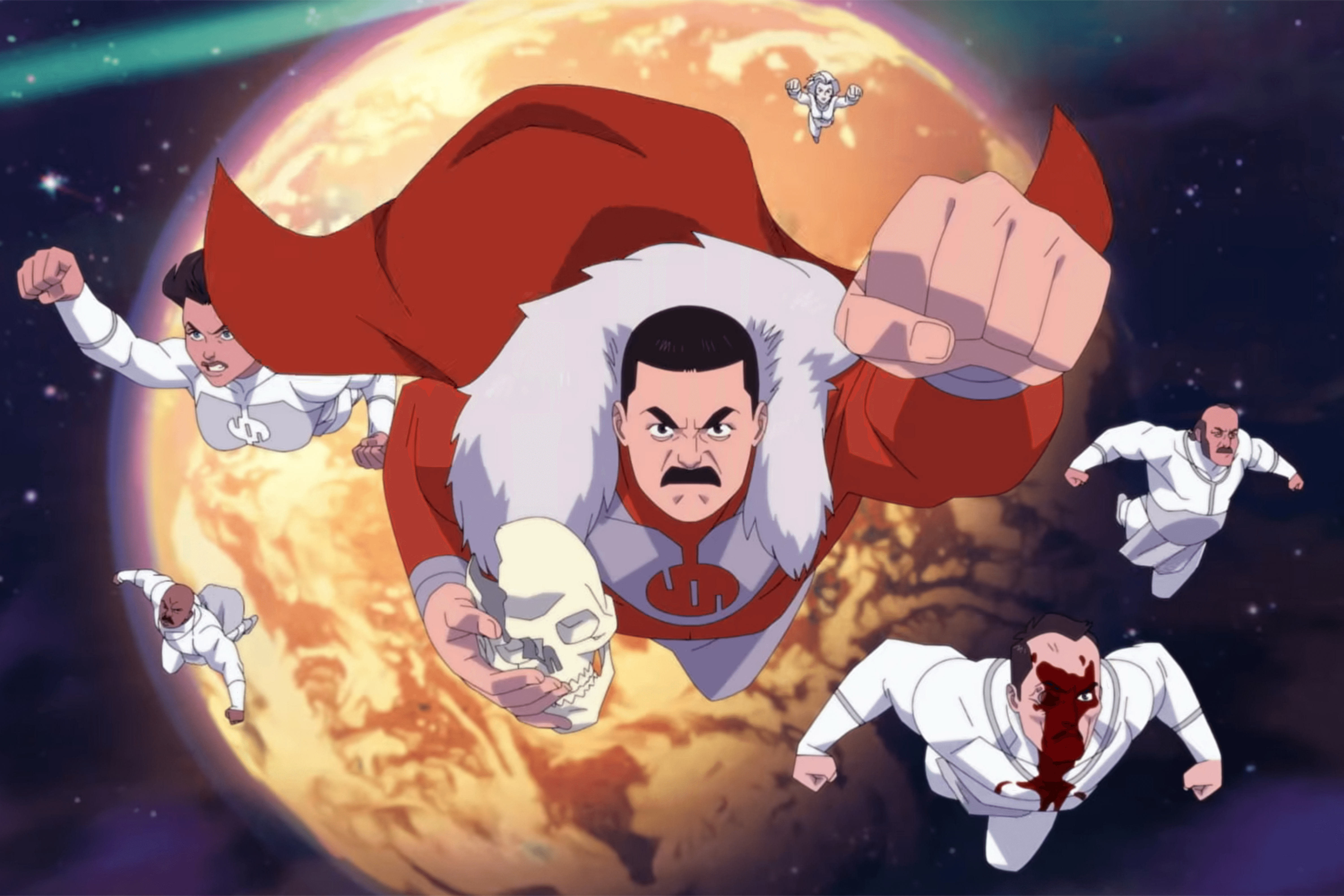
2. Character power gaps and growth that makes sense
This is something to put into special consideration when working on your power system development. It’s not enough to assign awesome powers to your characters. Excellence requires that you also ground and clarify power gaps.
I recommend making this practical by sketching an actual power hierarchy map to guide your storytelling.
Who is stronger than whom?
And more importantly… WHY?
You must justify the power gaps.
This doesn’t mean a character can’t grow to become stronger. In fact, power growth is another necessity to progress your story. But again, you must justify this growth;
When does it happen?
Why does it happen for that character?
What does it change about their story and the overall plot?
Case in point:
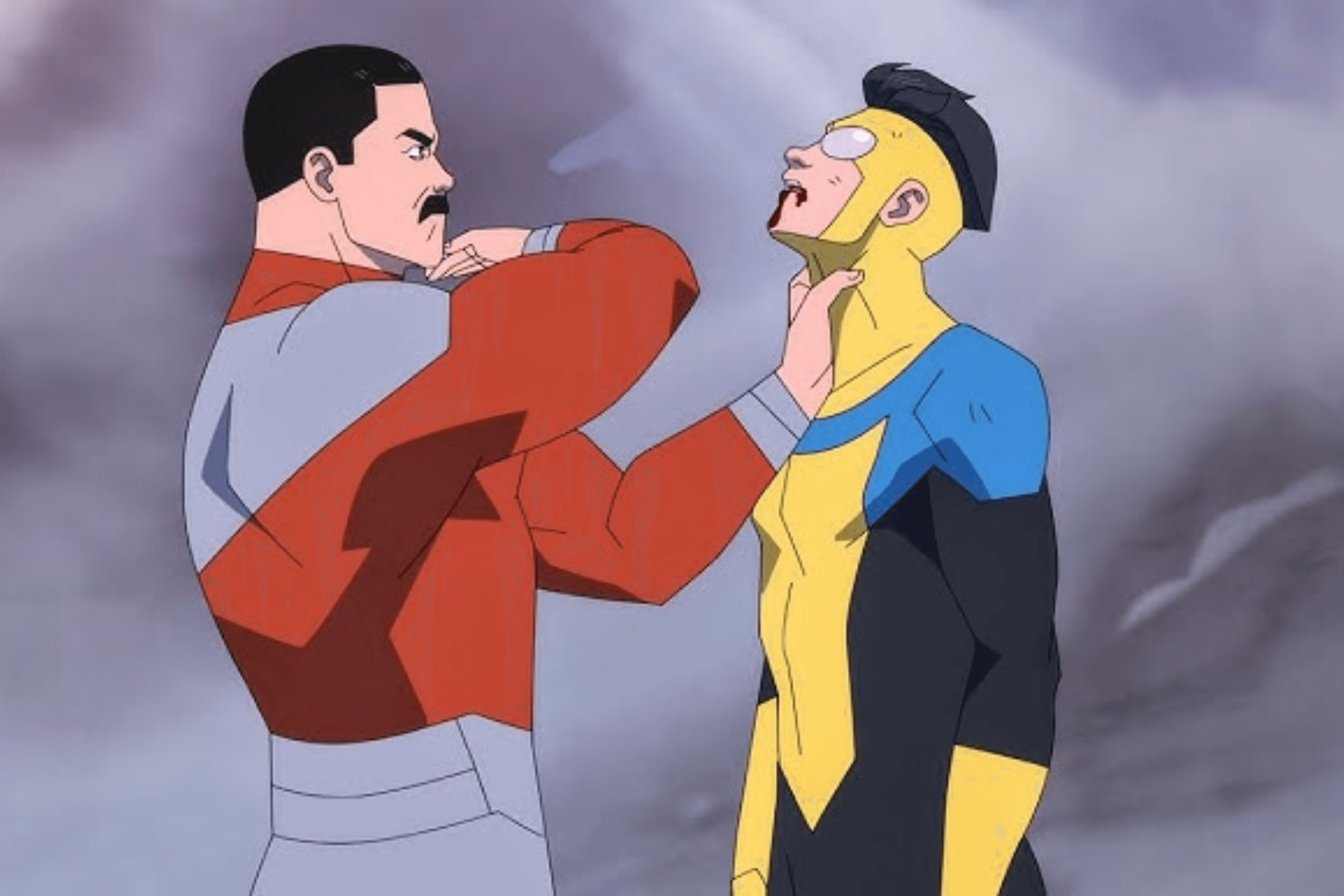
Mark is strong. But the show made it clear he wasn’t stronger than his father. But with each battle, he continued to grow. His strength didn’t entirely grow from practice, but rather from a lot of internal work. As he changed in his heart and mind, his strength reflected that.
This was how he was able to even survive his first fight with Conquest. It was also how he was able to finally defeat Conquest. But still, defeating Conquest didn’t mean Mark was suddenly the most powerful. He will likely still lose in a fight with his dad. And if he can’t beat his dad, he can’t beat Thragg. The story showed us the clear gap in strength between Mark and this new enemy. At the same time, we have justification for why Thragg is sooo strong. He isn’t some overpowered, next-villain-to-defeat.
(I help you cover your bases on thorough power system development in my workbook. I absolutely recommend you get it.)
3. Characters are authentic, hence relatable or understandable.
Authentic characters…this should be a thing. You might have noticed that fiction has moved on from the days when characters felt like hollow devices created only to push a plot forward.
There was a time when audiences would excuse flat reactions, forced decisions, and exaggerated behavior simply because, well, “it’s fiction.”
But that no longer holds the same power—especially not in fantasy. Today’s audience (which very much includes you and me) wants more than characters who merely exist in an imagined world.
They want characters who feel emotionally real within that world. Characters with contradictions, depth, wounds, desires, blind spots, and choices that make human sense. Keyword - HUMAN SENSE.
Even in the most fantastical settings, what grips us is humanness. We want to see people on the page or screen who feel believable. That authenticity is what makes characters not only relatable, but understandable—and that is what keeps modern audiences invested.
To say that Invincible nails this is an understatement. They might have the most authentic characters on screen right now. And there are many ways/reasons they were able to achieve this that you can borrow. Here are a few:
Character backstory. Every character had one. But the backstories didn’t just exist for character development sake. Their backstories actively informed their current life.
Character evolution. Each character evolved in a way that was consistent with who they were and the experiences they were having.
Characters and their relationships had real, human flaws. They made mistakes, right and wrong choices, betrayals, disappointment, exhaustion, built up anger, stagnancy, took risks, and failures. Every character lived a real human life in their world. Their relationships with each other reflected that as well.
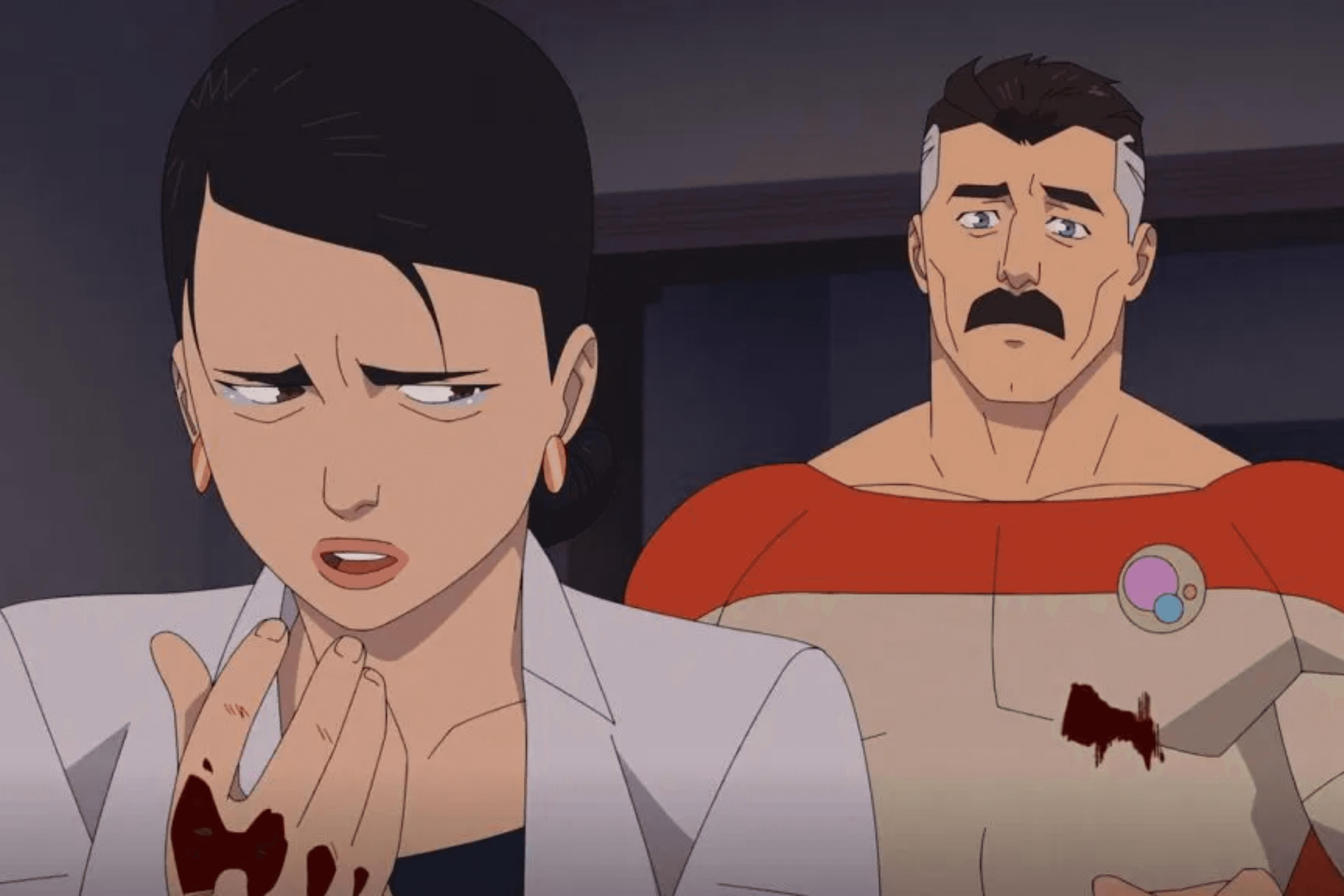
Characters lived their roles. A good example is Debbie, Mark’s mom. In other superhero series, she would be nothing more than background furniture. But this is how you create timeless fiction….by only introducing characters that will live their roles. Imagine creating a superhero story where the hero’s mom is as well-loved and rooted for as the heroes themselves. Invincible did this.
Characters' motivations, flaws, and reactions feel earned. They didn’t just act in whatever way the plot needed at the moment. Their journeys were mapped by layered emotional logic.
Master this lesson from Invincible by writing characters with emotional truth. No matter how wild the world becomes, the people inside it should still react with recognizable fear, love, grief, pride, confusion, and desire. Develop the heck out of your characters.
This authenticity is what makes them not just relatable, but deeply understandable and thus MEMORABLE.
If you need guided help, I recommend getting my detailed character development guide and workbook. It helps you really craft your characters with logic to write your story.
I can't wait to watch the season finale of Invincible tonight. In an era of superhero fatigue, I’m glad this show exists.
I look forward to talking about your story like this one day.
Happy creating!
Don’t forget you can enlist my help for your entire story development process, so you can just focus on writing.
Join the citizens of TOC
Subscribe to Trenches of Creation (TOC) newsletter
Lands in your inbox every Thursday with insights on worldbuilding, power systems, storytelling and more, to turn your ideas into legendary stories.
By subscribing you agree to our Privacy Policy
Comments
I want to hear from you